Welcome to our websites!

How to Choose a Leather Jewelry Storage Box in 2026

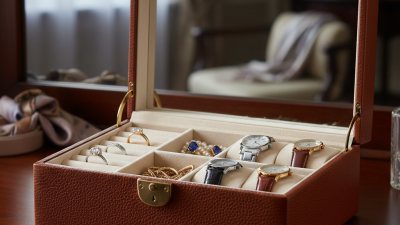
Choosing a Leather Jewelry Storage Box in 2026 requires more than matching leather color with bedroom furniture. Jewelry needs protection from scratches, humidity, sunlight, and careless stacking. A practical box should offer soft, non-abrasive lining, divided compartments, secure hinges, and enough depth for necklaces without sharp bends. The leather should feel supple, but not heavily coated or chemically scented.

Market signals support this attention to quality. The State of Fashion 2025, published by The Business of Fashion and McKinsey, identifies jewelry as one of fashion’s stronger growth categories. Grand View Research estimates the global jewelry market reached approximately $353 billion in 2023. These figures do not measure storage boxes directly. Still, they show why protecting valuable and sentimental pieces deserves better design. A beautiful box can fail if its interior traps moisture or lets rings collide.

Organizing expert Marie Kondo offers a useful principle: “The best way to choose what to keep is to take each item in one’s hand and ask, ‘Does this spark joy?’” Her advice concerns organization, not leather engineering. That limitation matters. In this guide, we will combine her practical idea with jewelry-care guidance from the Gemological Institute of America and material considerations from leather specialists. Look closely at stitching, edge finishing, lining texture, and ventilation. Test the compartments with real pieces. Tiny earrings expose weak design quickly. I may favor a slightly imperfect handmade box over a flawless factory piece, but that preference is subjective. Your collection, climate, and daily habits should decide.
How to Choose a Leather Jewelry Storage Box in 2026

Define Your Jewelry Storage Needs and Collection Size

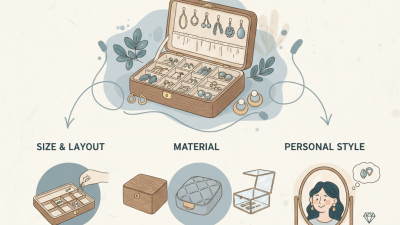
Before choosing a leather jewelry storage box, define what you actually own. I once bought a beautiful box with large compartments, but my small earrings disappeared inside them. The mistake was measuring the box before counting my jewelry.

Lay every piece on a clean table. Separate daily items, occasional pieces, rings, earrings, bracelets, and necklaces. Count each category carefully. Note the largest item, such as a wide cuff or pendant. Measure its length, width, and height. A ring roll suits several rings, while individual slots reduce scratches between delicate pieces. Necklaces need enough space to hang or lie flat without tight bends.

Small collections may need six to twelve compartments. Larger collections often require adjustable sections or more than one storage layer. Leave some empty space for future purchases. Overfilling causes chains to tangle and can press stones against hard surfaces. It also makes daily access frustrating. Very small collections need a different approach. A compact box may protect pieces better than a deep case with unused space.

Check the interior lining and stitching closely. Soft, non-abrasive fabric is safer for polished metal and gemstones. Leather protects the exterior, but it does not control humidity by itself. Keep the box away from bathrooms, direct sunlight, and damp windowsills. If you own delicate pieces, confirm that the compartments close securely and do not shed fibers. I still prefer a slightly imperfect layout that is easy to use over a flawless box that stays closed.

Compare Leather Types, Construction, and Interior Protection

How to Choose a Leather Jewelry Storage Box in 2026

Choosing a leather jewelry storage box in 2026 requires more than judging its color or shine. Leather quality matters, but it is not the only test. Full-grain leather usually keeps natural markings and develops a deeper patina with use. Top-grain leather feels smoother because its surface is lightly corrected. Corrected-grain leather may look uniform, yet it can hide weaker material underneath. Ask for clear material details. “Genuine leather” alone can be too vague. PU-coated surfaces may imitate leather, but they can peel around corners over time.

Construction affects daily reliability. Check whether the lid stays aligned when opened. Even stitching should remain tight around hinges and curved edges. A rigid frame protects necklaces from crushing, while reinforced corners reduce visible wear. Metal clasps should close without scraping the surface. I once valued appearance over hinge strength. That was a mistake. A beautiful box becomes frustrating when the lid shifts after repeated use.

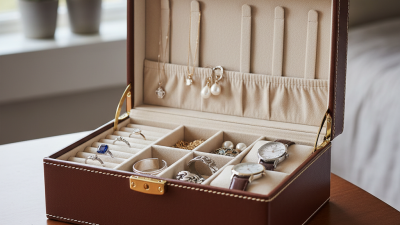
Interior protection deserves close attention. Soft suede, microfiber, or tightly woven fabric can reduce scratches on polished metal. Separate ring rolls from necklace compartments to limit tangling. Small earrings need shallow, secure sections, not loose space. Removable trays help when your collection changes. However, very soft lining may trap dust and oils. Inspect whether the fabric can be cleaned without shedding fibers. A mildly padded base is useful, but excessive padding can reduce storage capacity. Keep the box away from damp bathrooms, because leather and jewelry both respond poorly to persistent moisture.

Choose the Right Compartments for Different Jewelry Pieces

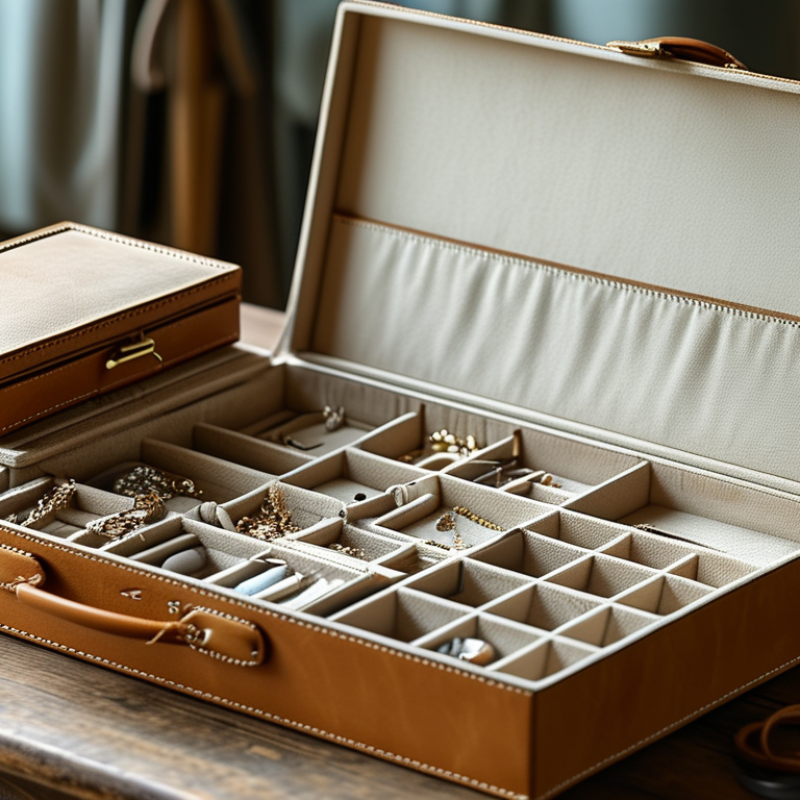
A leather jewelry storage box should be judged by its interior layout, not only its stitching or surface finish. In practice, the wrong compartment can create scratches, tangles, and pressure marks. Choose ring rolls with firm, soft slots for rings and small earrings. The lining should hold each piece gently without shedding fibers.

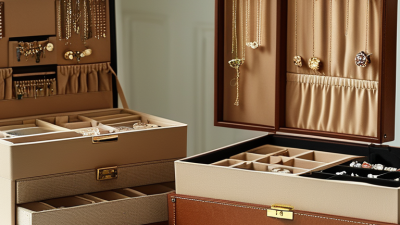
Necklaces need longer spaces than most boxes provide. Look for individual hooks, narrow channels, or removable dividers. These features keep chains separated when the box moves. Bracelets need wider sections with enough depth for their clasps. A shallow slot may bend delicate designs or leave them partly exposed. Small lidded compartments work well for loose earrings, charms, and pendants. Keep pairs together.

Do not ignore watches or larger pieces. A deeper compartment with a padded cushion prevents straps from folding sharply. For brooches and statement jewelry, choose an open section instead of forcing them into tight rolls. Measure your largest item before buying. I once focused too much on the leather and overlooked the shallow drawers. That choice looked elegant but stored very little. A useful box should also have smooth dividers and secure hinges. Test the closures gently. If compartments are removable, you can adjust them as your collection changes. That flexibility matters more than a crowded layout.

Evaluate Size, Portability, Security, and Everyday Accessibility

How to Choose a Leather Jewelry Storage Box in 2026

Choosing a leather jewelry storage box in 2026 starts with honest measurement. Count your rings, chains, watches, and earrings. Leave space for future pieces. A crowded box causes tangles and hides small items. Measure your drawer or travel bag before shopping. The box should close without pressing delicate surfaces. Look for soft compartments, firm dividers, and smooth hinges. Leather may develop marks over time. That is not always a defect. I prefer durable construction over a flawless finish.

Portability matters when jewelry travels between home, work, and weekends away. A compact case should feel light, but not flimsy. Test the handle, zipper, and corners if possible. Security also deserves practical attention. Choose a design with a secure closure and an interior that does not spill easily. However, a lock cannot replace sensible storage habits. Keep valuable pieces out of public view.

Accessibility is equally important for daily use. Clear sections let you find one pair quickly, even in low morning light. I once bought a beautiful box with narrow slots. It looked efficient, yet my larger earrings never fit.

Tips: Open the box with one hand. If you need to rearrange everything, daily use becomes frustrating. Place frequently worn pieces near the front. Reserve deeper compartments for seasonal jewelry. Check lining seams every few months. Loose fabric can catch hooks. Avoid storing damp jewelry inside leather. Let each piece dry first. A small silica packet may help with moisture, but replace it regularly. Personal habits matter more than elegant features.

Check Craftsmanship, Maintenance Needs, and Overall Value

When choosing a leather jewelry storage box in 2026, inspect the craftsmanship before admiring its appearance. Run a fingertip along the edges. Smooth finishing usually suggests careful cutting and polishing. Uneven stitching, loose threads, or lifting lining deserve attention. Open and close every hinge gently. It should move without scraping or sudden resistance. Check whether the compartments fit your jewelry securely. Tiny rings should not disappear into oversized sections.

Material quality also affects maintenance. Full-grain leather may develop character, but it can show scratches and absorb moisture. A protective finish may simplify cleaning, although it can reduce the leather’s natural texture. Use a soft, dry cloth for regular dust. Keep the box away from direct sunlight, radiators, and damp bathrooms. Do not apply household cleaners without checking their ingredients. Some products darken leather permanently.

Value depends on daily usefulness, not only price. Measure your jewelry collection before buying. A beautiful box becomes frustrating when bracelets press against earrings. I once chose a compact design for its elegant shape. That shortcut was a mistake. The lid crowded larger pieces, and maintenance became awkward. Look for removable trays, firm padding, and reliable closures. Ask how the leather was treated and whether replacement inserts are available. Honest product details are more valuable than dramatic promises. A slightly imperfect surface may be acceptable if the construction feels strong and the storage layout suits your habits.

How to Choose a Leather Jewelry Storage Box in 2026 - Check Craftsmanship, Maintenance Needs, and Overall Value

Storage Box Profile Outer Material Craftsmanship Indicators Interior Protection Maintenance Needs Best Use Craft Score Value Score Overall Assessment
Premium Full-Grain Leather Top layer of animal hide with the natural grain preserved. It can develop a patina over time. Even stitching, securely folded edges, reinforced corners, accurately aligned panels, and a firm lid with minimal movement. Soft, non-abrasive lining; separate ring rolls; divided compartments; necklace hooks or channels to reduce tangling. Keep dry, wipe with a soft cloth, avoid direct sunlight and excessive heat, and use a leather conditioner only when appropriate for the finish. Long-term home storage and heirloom jewelry collections. 5/5 4/5 Highest material quality when construction and interior organization justify the price.
Top-Grain Leather Outer layer of hide that has been lightly corrected or finished for a more uniform appearance. Consistent surface finish, clean edge painting, strong seams, smooth hinge action, and hardware that closes without excessive force. Fabric or microfiber lining with padded sections and adequate separation between metal pieces. Dust regularly, remove spills promptly, and follow the maker's care instructions because coatings differ. Frequent everyday use with a balance of appearance and durability. 4/5 5/5 A practical balance of durability, appearance, maintenance, and purchase cost.
Corrected-Grain Leather Leather surface that has been mechanically refined and finished to reduce visible natural marks. Check whether the finish is even, whether painted edges are free from cracks, and whether seams remain flat under light pressure. Flocked or textile lining, removable dividers, and compartments sized for the jewelry being stored. Use a damp—not wet—cloth for light cleaning; avoid unapproved oils, solvents, and abrasive cleaners. Organized storage where a uniform look is preferred. 3/5 4/5 Good value if the finish is intact and the internal layout is genuinely useful.
Bonded Leather Leather fibers or scraps combined with binders and formed into a coated sheet. Inspect corners and frequently handled edges for peeling, bubbling, or cracking; check that the coating is firmly bonded. Usually includes textile or synthetic lining; protection depends more on padding and compartment design than on the outer material. Keep away from moisture, heat, and prolonged friction; clean gently without saturating the surface. Budget-conscious storage with moderate handling. 2/5 3/5 Acceptable for lower-cost use, but surface wear can be more difficult to repair.
Leather-Look PU Polyurethane-coated synthetic material; it is not animal leather. Look for smooth coating, reinforced seams, stable hinges, and resistance to flaking at folds and corners. Commonly paired with velvet-like lining, elastic straps, dividers, and foam padding. Wipe with a slightly damp cloth, avoid leather conditioners, and protect from high heat and prolonged sunlight. Travel, occasional use, or entry-level organization. 2/5 4/5 Often economical and easy to clean, but coating longevity should be checked carefully.
Scoring method: The scores are indicative buying scores rather than laboratory measurements. Craft Score considers material quality, stitching, edge finishing, hardware, and structural stability. Value Score considers durability, protection, maintenance effort, organization, and expected usefulness relative to purchase cost.