Welcome to our websites!

How to Choose the Best Necklace Box for Wholesale?

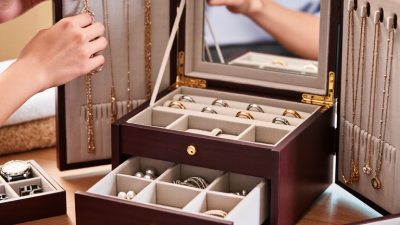
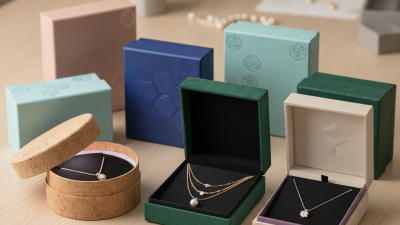
Choosing the right Necklace Box for wholesale is more than selecting attractive packaging. It affects product protection, brand presentation, shipping costs, and customer satisfaction. A practical buyer should examine materials, dimensions, closure quality, interior padding, and production consistency before placing a large order. A velvet box may feel luxurious, while a rigid paper box can reduce weight and storage space. Each option serves a different business need.

Wholesale decisions should come from testing, not assumptions. Request samples and inspect them under real conditions. Place a necklace inside, close the box repeatedly, and check whether the chain tangles or shifts during movement. Measure the box against your shipping cartons. Small size differences can increase freight expenses. Also review the supplier’s manufacturing experience, quality-control process, customization abilities, and communication speed. Reliable suppliers should provide clear specifications and realistic delivery timelines.

Details matter greatly.

A strong Necklace Box should protect delicate chains without making the product difficult to remove. Its color should match your brand, but appearance alone cannot prove quality. Ask about recyclable materials, printing durability, and replacement policies. Some buyers overlook humidity, dust, or rough warehouse handling. That mistake can become expensive. Even experienced purchasers may choose a beautiful design that performs poorly in transit. Careful sampling, documented requirements, and honest supplier discussions create a safer purchasing decision. This guide explores the main factors wholesalers should compare before committing to bulk production.
How to Choose the Best Necklace Box for Wholesale?

Define Your Wholesale Necklace Box Requirements

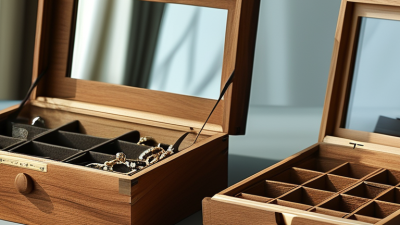
Before choosing a wholesale necklace box, define what your business actually needs. Measure the necklace, including its pendant, chain length, and clasp. A snug insert prevents movement, but excessive pressure may damage delicate surfaces. Decide whether you need cardboard, velvet, leatherette, wood, or another material. Each option changes the box’s appearance, cost, weight, and durability.

Your order volume also matters. Ask about minimum quantities, sample availability, production time, and carton dimensions. Confirm whether the packaging supports storage, shipping, and display.

In wholesale projects, I have found that interior fitting often matters more than exterior decoration. A box can look elegant yet hold the necklace poorly. I once underestimated the space needed for layered chains, which caused unnecessary adjustments. That mistake was avoidable.

Request a physical sample before approving a large order. Check the hinge, lining, closure, odor, surface finish, and logo placement. Record these requirements clearly for consistent production.

Tips:

Create a simple requirement sheet. Include box dimensions, necklace size, material preference, color, insert style, target price, and monthly quantity. Leave a small tolerance for handmade or material variations. Perfect measurements may not remain perfect during production. Ask suppliers how they control quality and handle defective units. Clear questions reveal reliability better than attractive photos. Test one packed box through normal handling before expanding your order.

Compare Box Materials, Sizes, and Protective Features

How to Choose the Best Necklace Box for Wholesale?

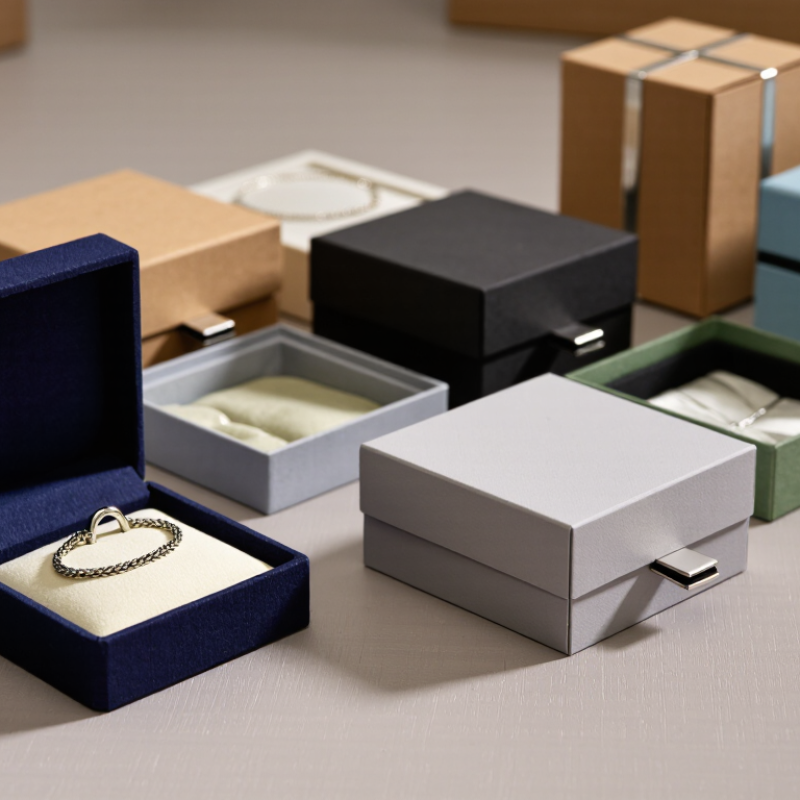
Material affects cost, presentation, and product safety. Rigid cardboard boxes offer a clean appearance and steady stacking during shipment. They suit most everyday necklaces. Velvet or linen exteriors feel more luxurious, but they can collect dust and show marks easily. Plastic boxes resist moisture, although some customers may dislike their less natural appearance. In my wholesale experience, recycled paperboard works well when its inner structure remains firm. A low-cost box is not always economical.

Size should follow the necklace design, not only the chain length. A compact pendant needs enough space to avoid touching the lid. Longer chains require a channel, insert, or small fastening point. Otherwise, chains may tangle before reaching the customer. Test several box sizes with real products. I once selected inserts that looked suitable but pressed against larger pendants. That mistake created unnecessary returns.

Tips: Check the box after repeated opening and closing. Examine corners, hinges, and inserts. Soft foam protects delicate surfaces, while molded paper inserts reduce movement. Use cushioning around the pendant, but avoid excessive pressure. Confirm that the lid closes evenly. Also request sample packaging before ordering in bulk. Photos can hide weak seams. Practical testing reveals more.

How to Choose the Best Necklace Box for Wholesale?

This comparison uses a 1–10 evaluation scale based on common wholesale packaging requirements. Rigid paperboard provides a balanced combination of protection, customization, and cost efficiency, while plastic offers stronger moisture resistance. Choose the box size according to the necklace length and pendant volume, and add a soft insert or secure closure to reduce movement and scratching during shipping.

Evaluate Branding, Customization, and Presentation Options

Choosing the best necklace box for wholesale starts with a clear branding purpose. In wholesale sourcing, I have found that simple packaging often looks more reliable than crowded designs. A clean logo, balanced colors, and readable product information create a stronger first impression. The box should also match the necklace’s value. A soft-touch surface may suit premium pieces, while kraft paper can support a natural, practical image. Do not judge packaging from photos alone. Request physical samples.

Customization should improve the customer experience, not merely add decoration. Consider box size, insert shape, closure style, and printing position. A necklace should remain centered during transport, with no chain tangling inside. Test several samples before confirming a large order. Small flaws become expensive at scale. I once underestimated the effect of a loose insert; the presentation looked careless, despite attractive printing. That mistake showed me why function deserves equal attention.

Tips: Ask for material specifications, color proofs, and sample measurements. Check how the logo appears under warm and cool lighting. Compare opening resistance, interior cleanliness, and storage strength. Leave room for honest feedback from sales staff or retail buyers. A design may look impressive on a desk but feel awkward in a customer’s hands. Keep customization consistent across boxes, cards, and protective wrapping. Avoid unnecessary finishes when they increase cost without improving presentation.

How to Choose the Best Necklace Box for Wholesale? - Evaluate Branding, Customization, and Presentation Options

Box Type Branding Surface Customization Options Presentation Quality Protection Level Shipping Efficiency Wholesale Evaluation Notes
Rigid Setup Box Excellent; large lid and side panels support logos, patterns, and product information. Printed paper wraps, foil stamping, embossing, debossing, ribbon pulls, inserts, and custom colors. High High Low Creates a premium unboxing experience and resists compression well, but its fixed shape increases storage and freight volume.
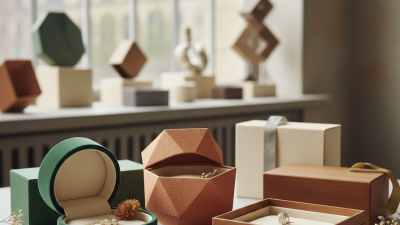
Folding Carton Excellent; the exterior panels provide broad printable areas. Offset or digital printing, spot coatings, window cutouts, die-cut shapes, and custom internal locking structures. Medium to High Medium High Ships flat and uses less material than most rigid boxes. Add an internal necklace holder or protective insert to reduce movement.
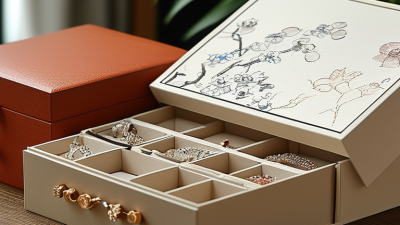
Drawer-Style Box Very good; the sleeve and drawer can carry separate branding elements. Printed sleeves, contrasting inner colors, ribbon or finger-pull options, foil details, and custom inserts. High Medium to High Medium Combines a gift-like opening experience with a structured format. Check drawer alignment and pull strength during sampling.
Magnetic-Closure Box Excellent; the lid, front panel, and interior offer multiple branding locations. Printed wraps, magnets concealed under the covering, ribbons, molded inserts, metallic effects, and soft-touch finishes. Very High High Low Suitable for premium collections and gifting. Confirm closure strength, magnet placement, and transport regulations where applicable.
Kraft Paper Box Good; natural surfaces work well with one-color printing, stamps, and simple labels. Water-based inks, recycled-paper textures, paper stickers, twine, sleeves, and minimal custom inserts. Medium Medium High Offers a natural and sustainability-oriented appearance. Dark or highly detailed artwork may require a coated surface or lighter print area.
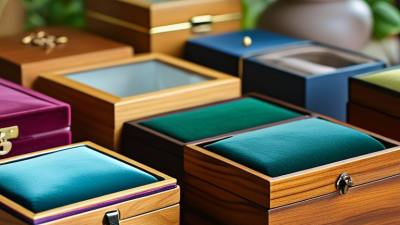
Velvet or Fabric-Covered Box Moderate; branding is usually applied through interior plates, tags, ribbons, or small exterior details. Fabric colors, embroidered or printed labels, metal logo plates, cushions, and custom necklace slots. High Medium Low Provides a tactile luxury appearance. Inspect fabric consistency, lint resistance, seam quality, and protection against moisture.
Pouch with Presentation Card Good; the card provides the main branding area while the pouch supports secondary branding. Custom card printing, pouch fabrics, drawstrings, labels, hang tags, and compartment designs. Medium Low to Medium Very High Lightweight and economical for large-volume distribution. Use a separate outer carton when the necklace requires stronger impact or crush protection.
Two-Piece Telescoping Box Very good; both the lid and base can be printed or covered. Custom depths, printed wraps, paper textures, foil stamping, fitted inserts, and contrasting interior colors. High High Medium Offers a sturdy, traditional presentation. Measure the internal clearance carefully so the chain and pendant remain secured without pressure.

Wholesale selection guide: Choose rigid or magnetic-closure formats for premium presentation, folding or kraft cartons for efficient shipping, and pouches for lightweight distribution. Before placing a bulk order, approve a physical sample and test logo clarity, insert fit, closure performance, necklace movement, and carton durability.

Check Supplier Quality, Pricing, and Minimum Order Quantities

How to Choose the Best Necklace Box for Wholesale?

Check Supplier Quality, Pricing, and Minimum Order Quantities

A wholesale necklace box should protect jewelry and support a consistent customer experience. I usually request physical samples before discussing large orders. Check the lid alignment, hinge movement, lining softness, and surface finish. Place a necklace inside for several days. This reveals loose padding, unpleasant odors, or pressure marks that photographs hide. Ask whether materials, dimensions, and colors are documented in a product specification sheet.

Quality claims need evidence. Request inspection photos, production samples, and a clear defect standard. A reliable supplier should explain how they check units before shipping. Ask about packaging strength too. A beautiful box can still arrive crushed. I once focused heavily on the box exterior and overlooked weak inner trays. That mistake increased repacking work. The lesson was uncomfortable but useful.

Pricing requires more than comparing the unit price. Request a full quotation covering sampling, printing, inserts, packaging, freight, and possible tooling. Compare the landed cost per usable box, not the factory figure alone. Ask for price breaks at several quantities. A lower price may reduce lining thickness or finishing quality. Check carefully. Minimum order quantities also deserve negotiation. A smaller trial order may cost more per unit, but it limits inventory risk. Confirm whether mixed colors or sizes count toward one MOQ. Clarify lead times, payment stages, replacement policies, and quality inspection rights in writing before production begins.

Confirm Shipping, Sustainability, and Long-Term Supply Needs

Choosing the best necklace box for wholesale begins with shipping reality, not appearance. A polished box can still fail if its corners crush during transit. Ask for packed-carton dimensions, gross weight, stacking limits, and protective materials. Request a sample shipment when possible. Measure twice. Keep records.

Sustainability needs evidence. Confirm the percentage of recycled or responsibly sourced material, then ask how it is documented. Paperboard thickness, water-based coatings, and minimal plastic inserts can reduce waste without weakening protection. However, “eco-friendly” is often used too loosely. Check whether the box remains recyclable after ribbons, magnets, or foam are added. A supplier should explain disposal clearly and provide consistent material data.

Long-term supply requires more than a low first-order price. Discuss minimum order quantities, production lead times, reorder changes, and backup capacity before approval. Confirm whether the same paper texture, color, hardware, and print quality can be maintained six months later. Ask how shortages are handled. A written specification sheet helps prevent quiet substitutions. I once underestimated seasonal shipping delays, and the launch schedule suffered. That mistake made buffer stock essential. Still, excessive inventory can create storage costs and outdated packaging. Review demand patterns, reserve production slots early, and test a small repeat order before committing to larger volumes. Ask directly.